

Déjà Vu: That 1920's Gift Guide

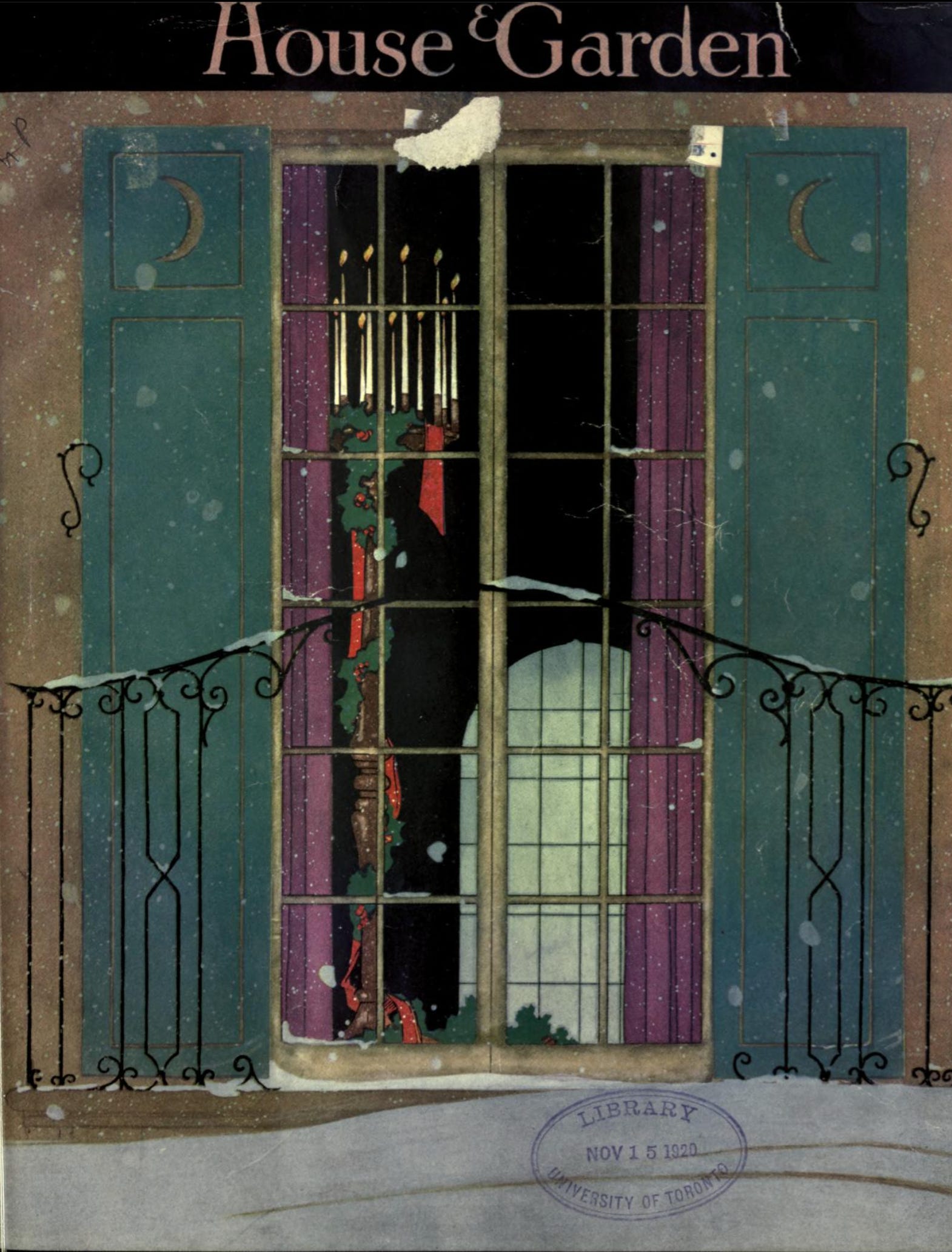
One hundred years ago, gift guides were hitting newsstands and mailboxes just the way they’re flooding your inbox today. It’s wild to think that over a century ago, we were doing essentially the same thing—shopping for many of the exact same items.
One thing that has changed: the prices. When adjusted for inflation, this 1920s guide is really more of a visual illustration of how consumer goods prices have fluctuated. A few times, to my surprise, things have gotten cheaper, or stayed relatively close.1
Below are some of the 🔥 hottest gifts of the early 1920s 🔥 straight from House & Garden’s 1921–1923 gift guides—along with their 2025 inflation-adjusted prices and the modern equivalents for comparison.2
Felix the Cat Stuffy
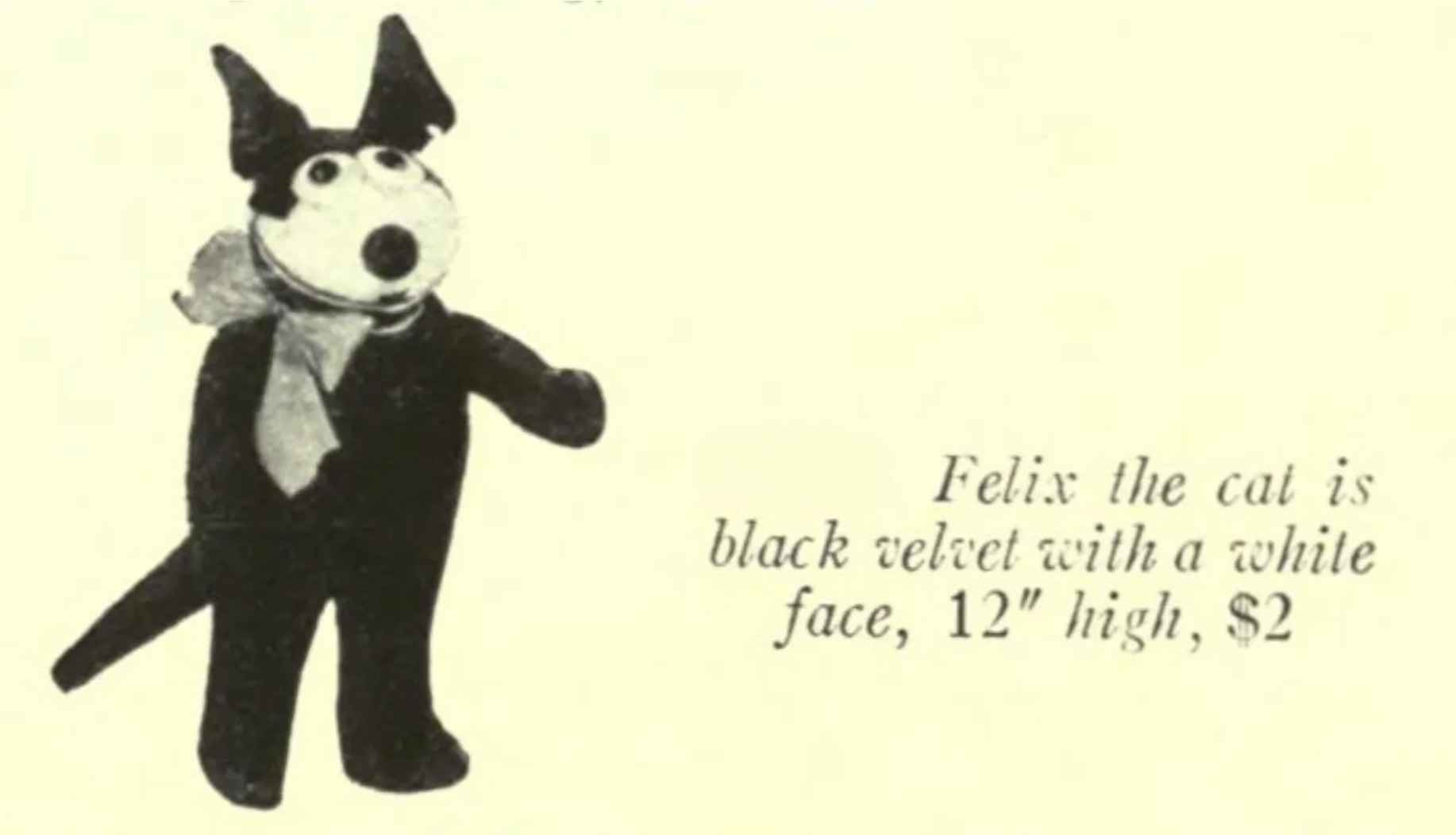
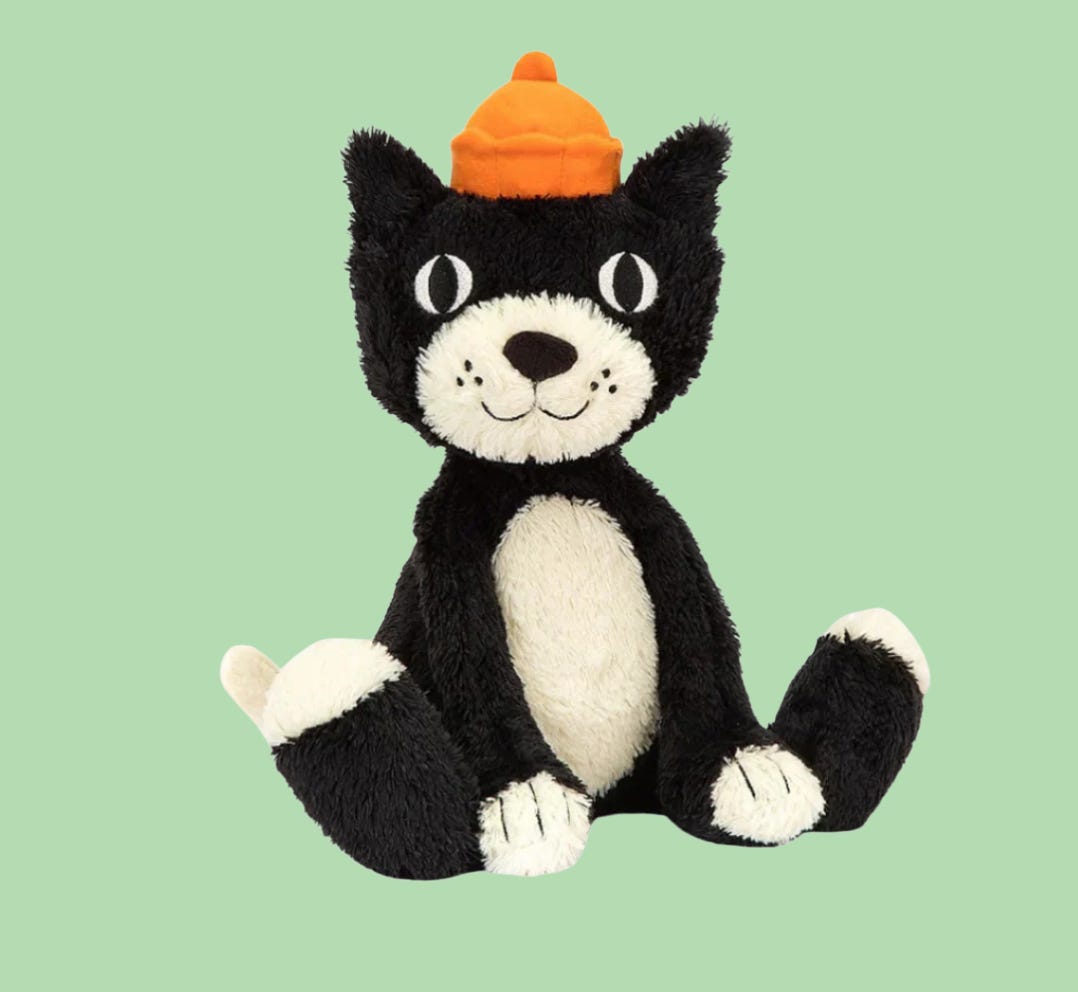
📈 Swapped velvet for polyester and price is still up 28%.
Mah Jongg Set
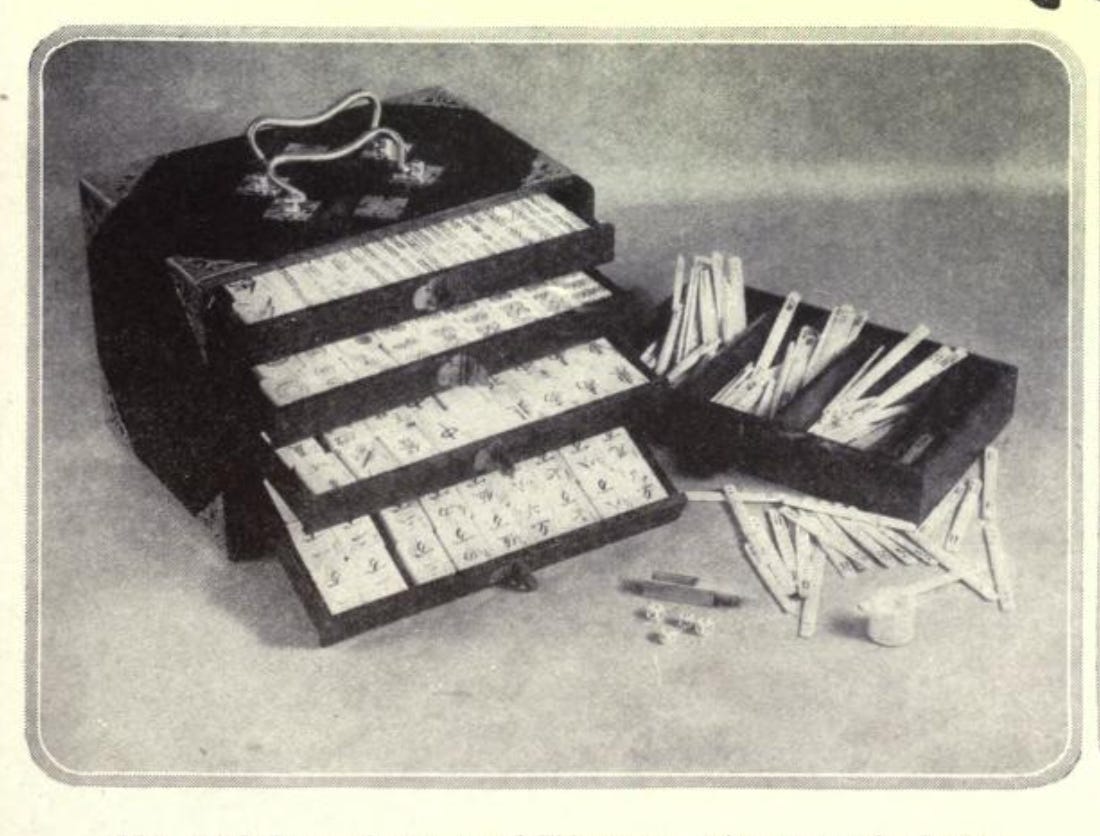
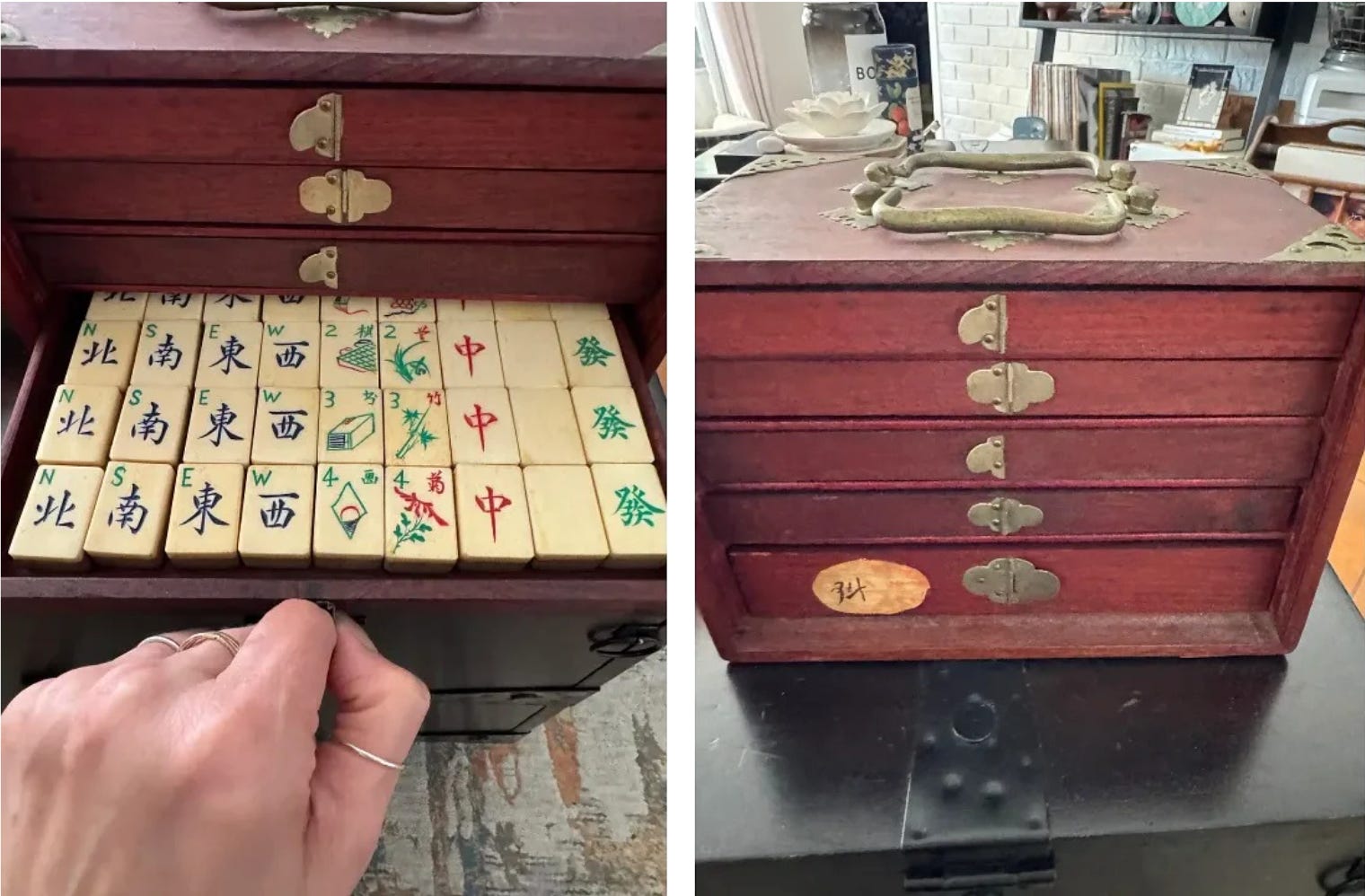
📈 A high-end Mah Jongg set today on par with this set will likely take you well over $482.
Child’s Golf Set
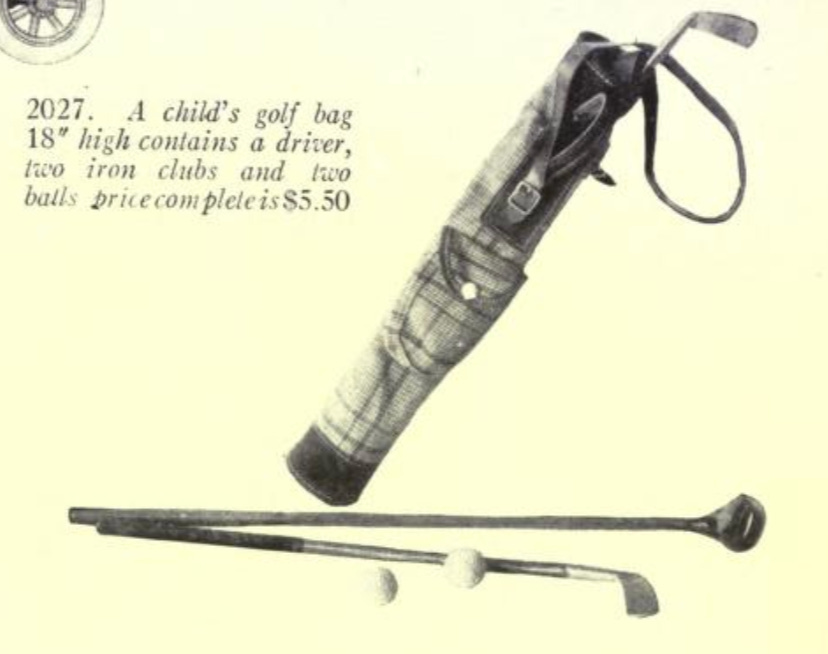
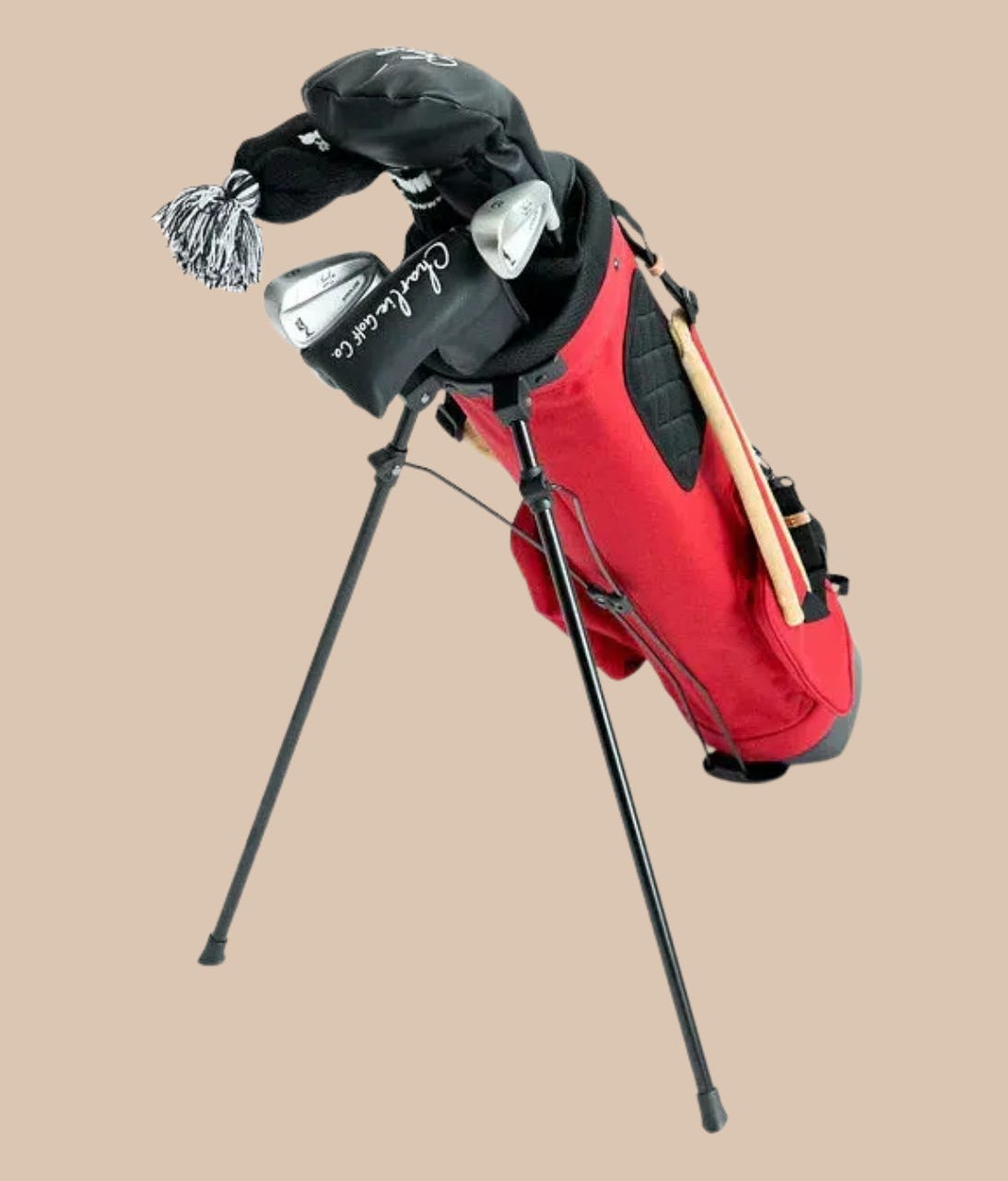
📈 Up 256%.
Honey Jar
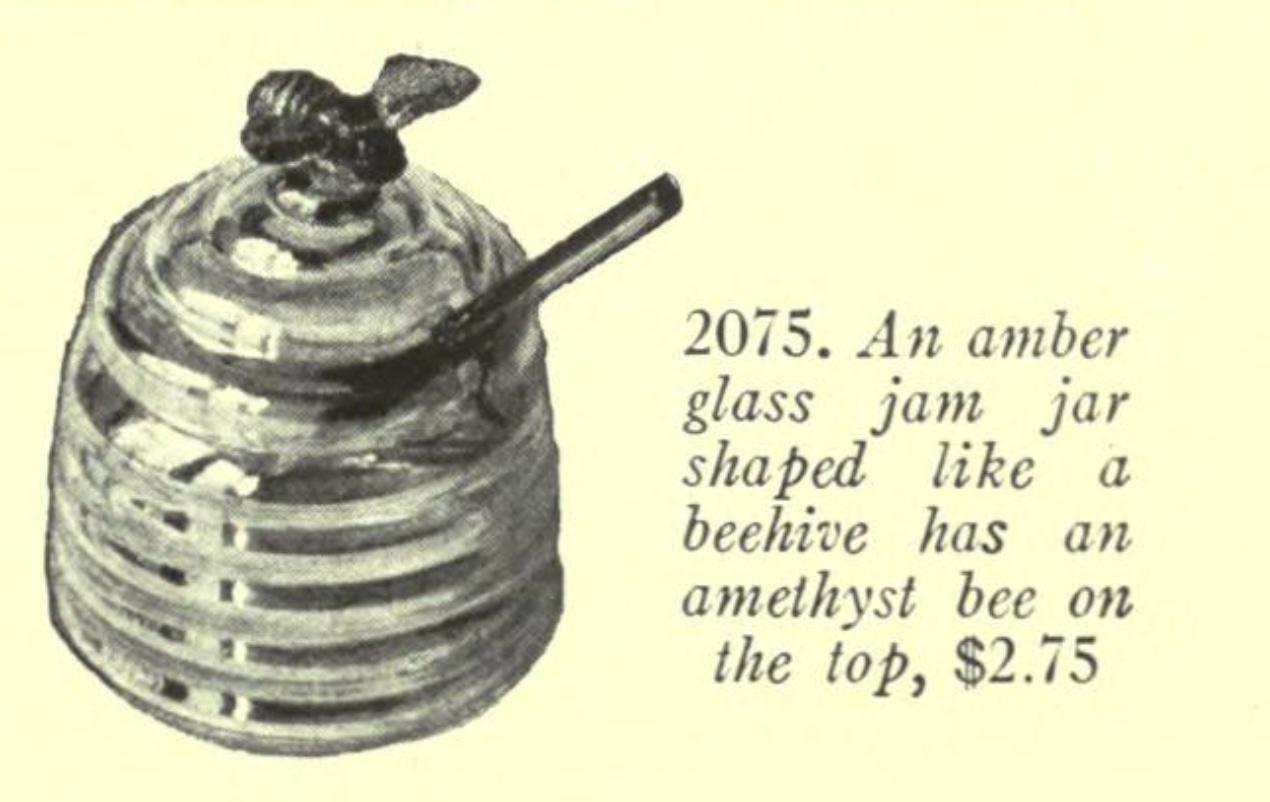
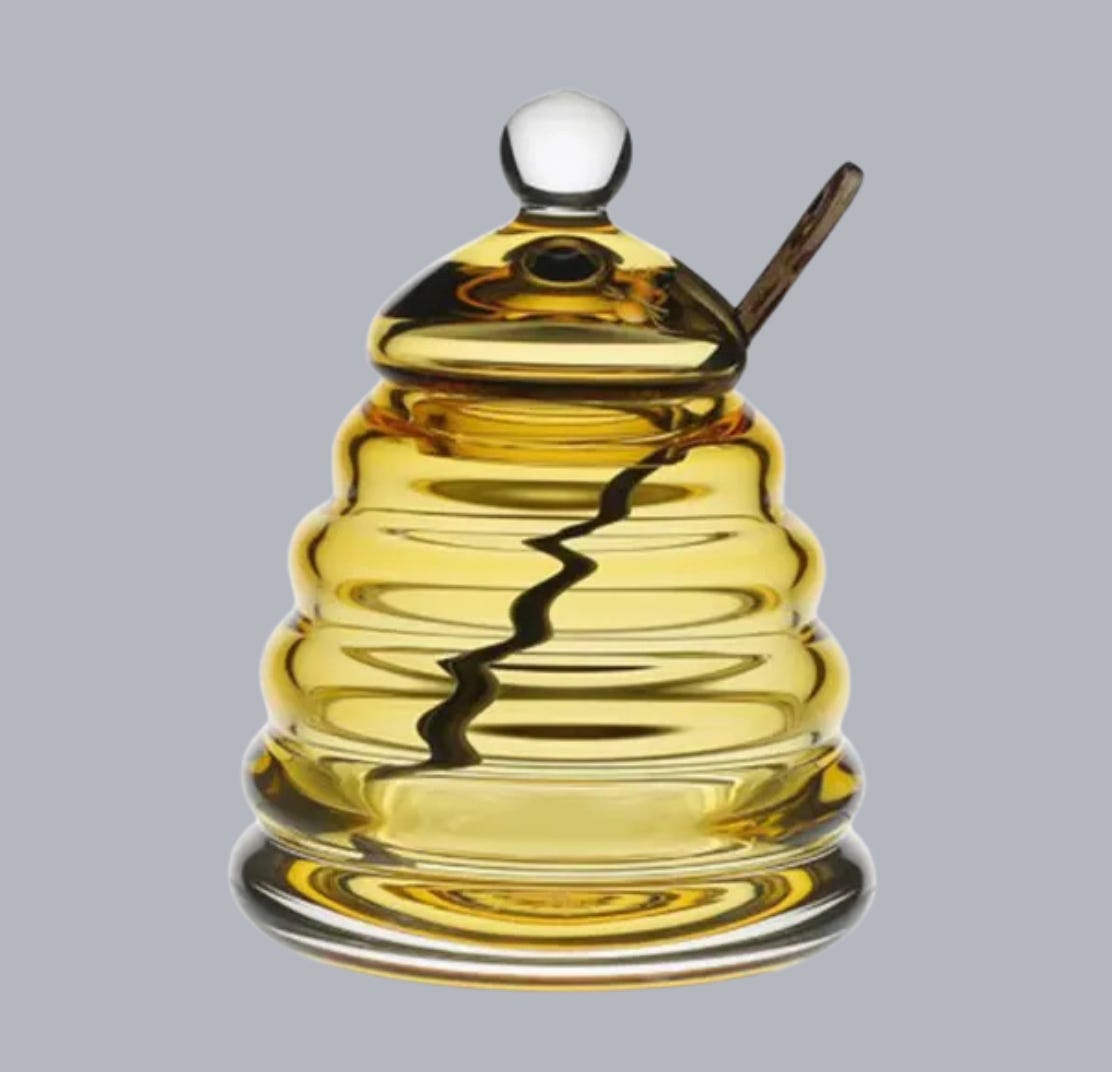
📈 Up 398%.
Boxing Kit
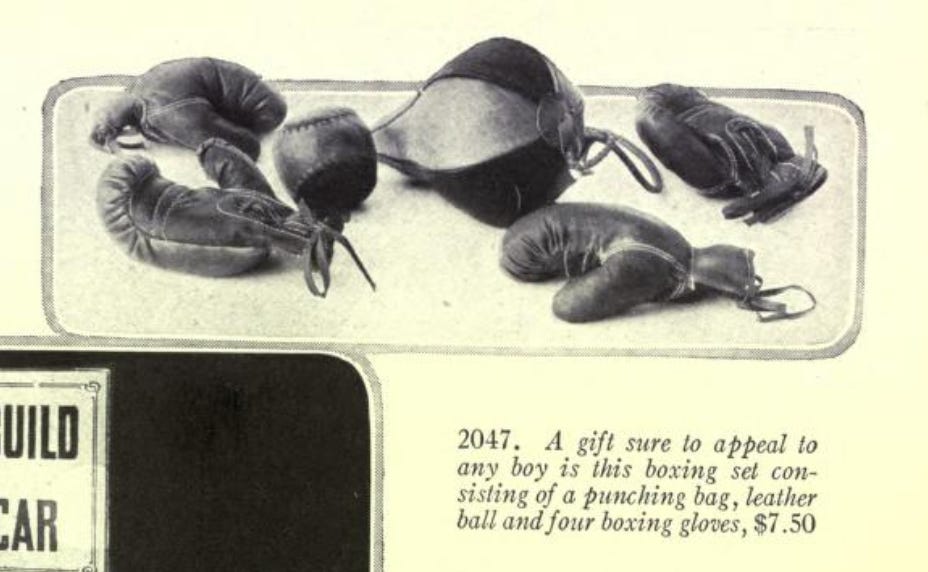
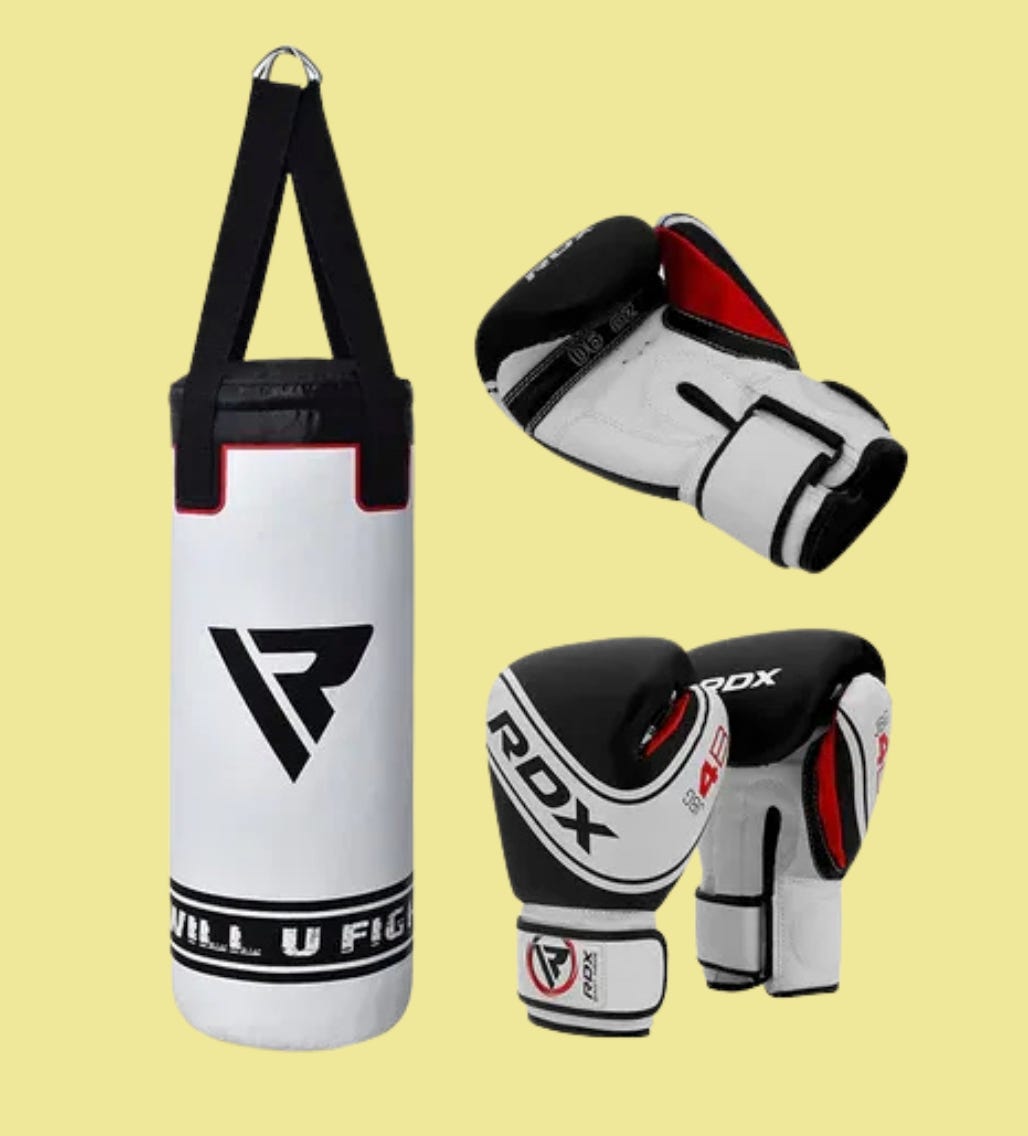
📉 Down 69%
Leather Wallet
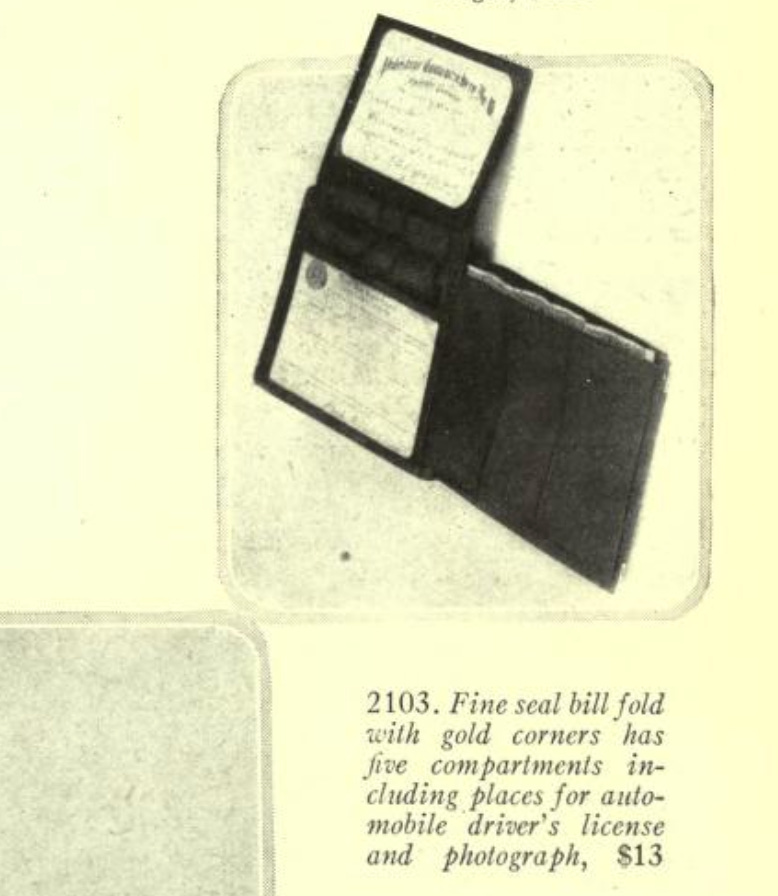
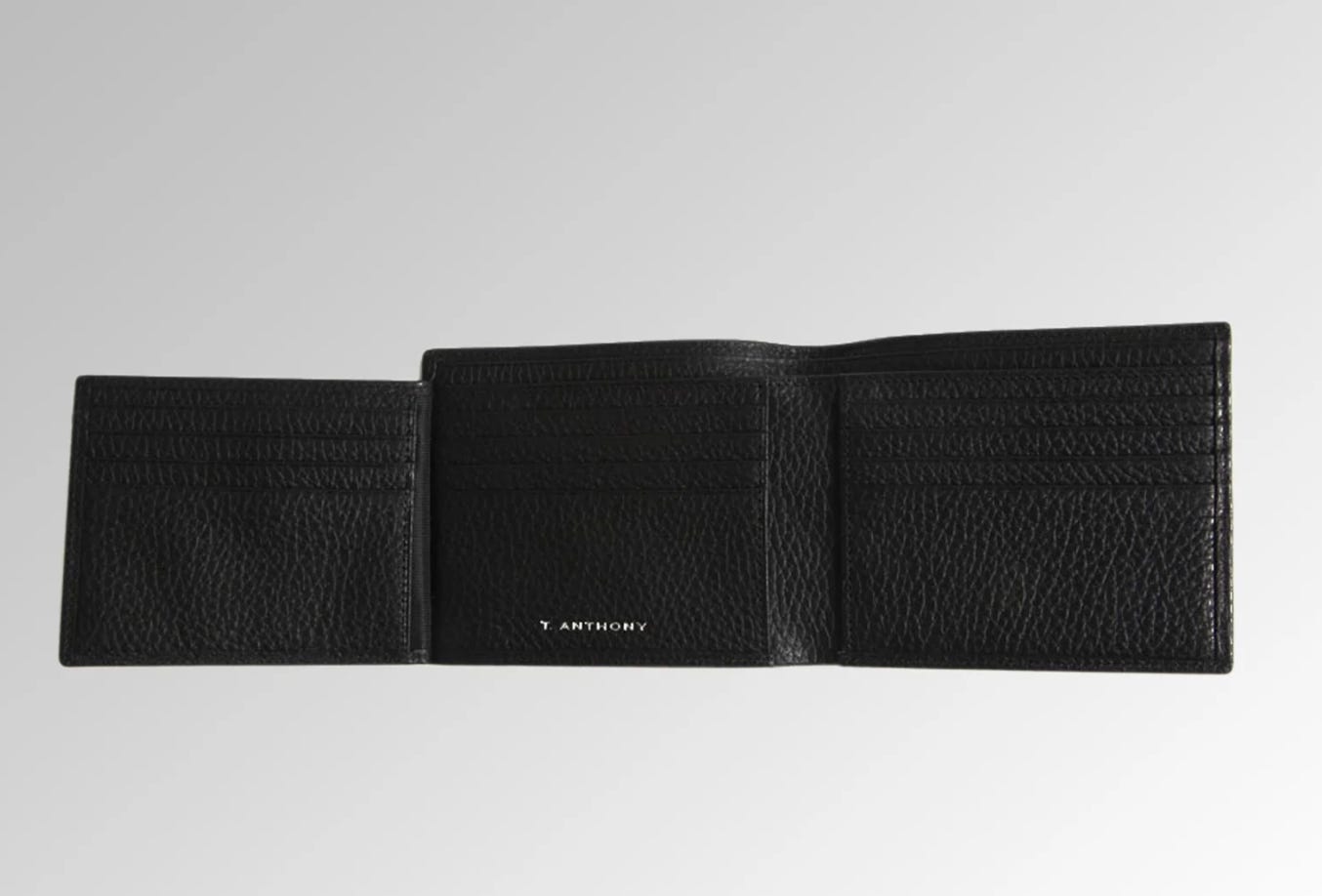
📈 Up 46%.
8” Brass Candle Sticks
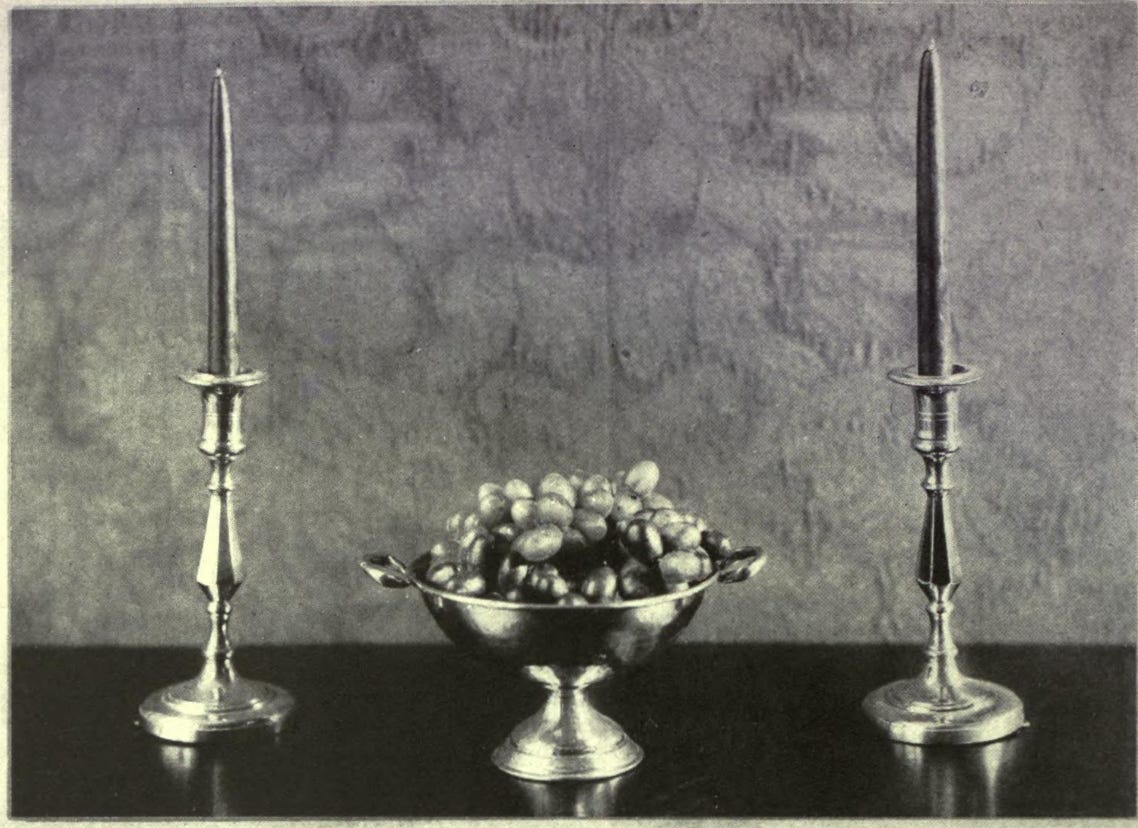
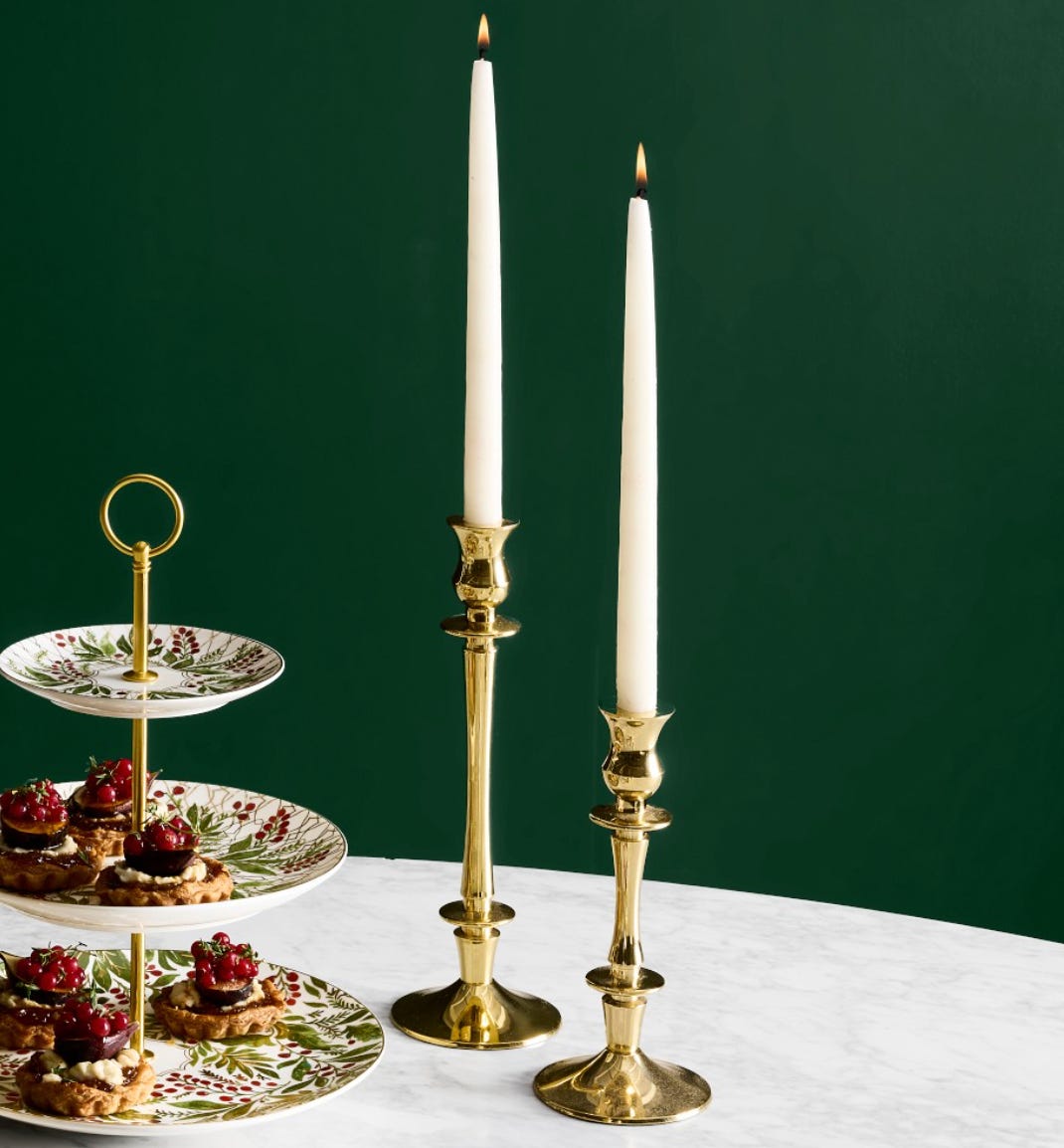
📈 Up 12%.
Decorative House Plant
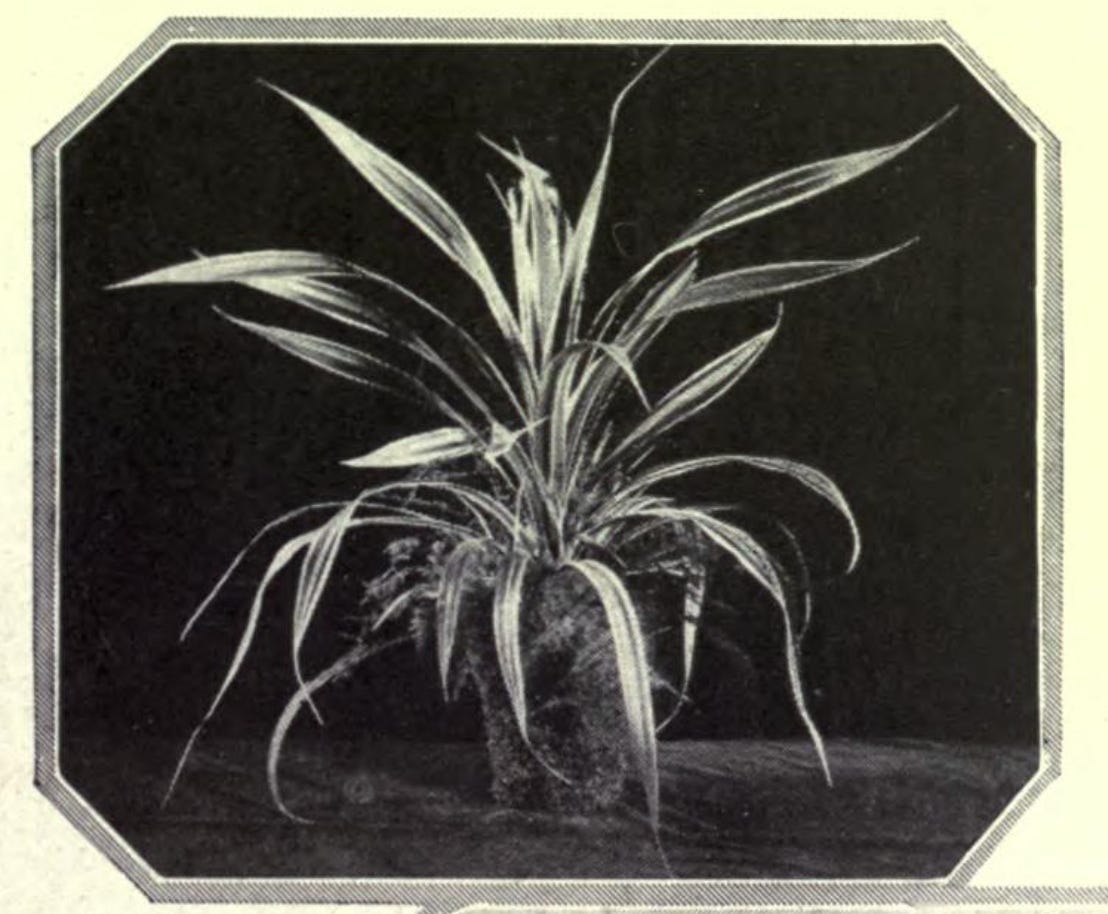
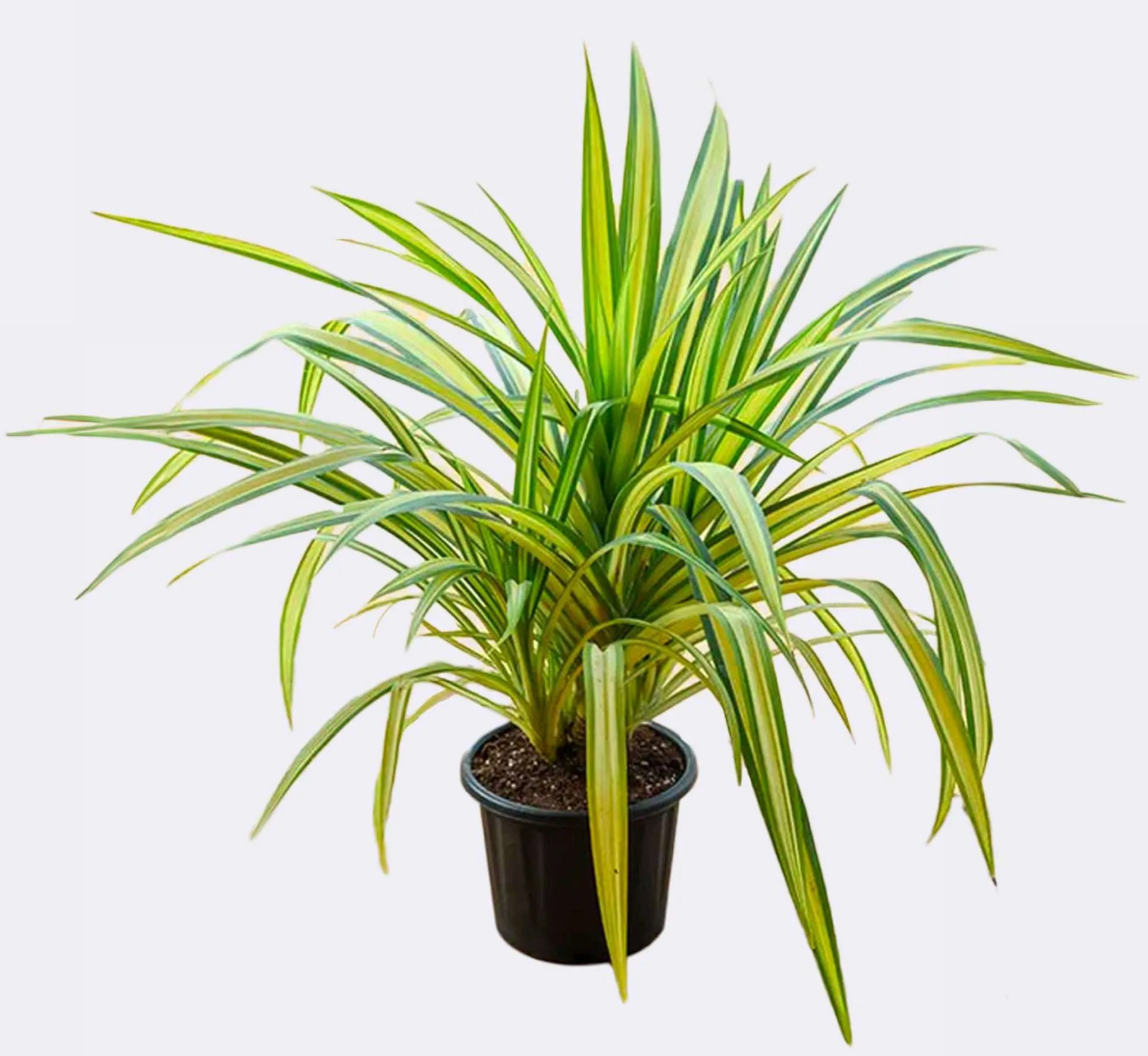
📉 Down 1150% (imported tropical plants were considered exotic status symbols in the 1920s).
Children’s Tool Chest
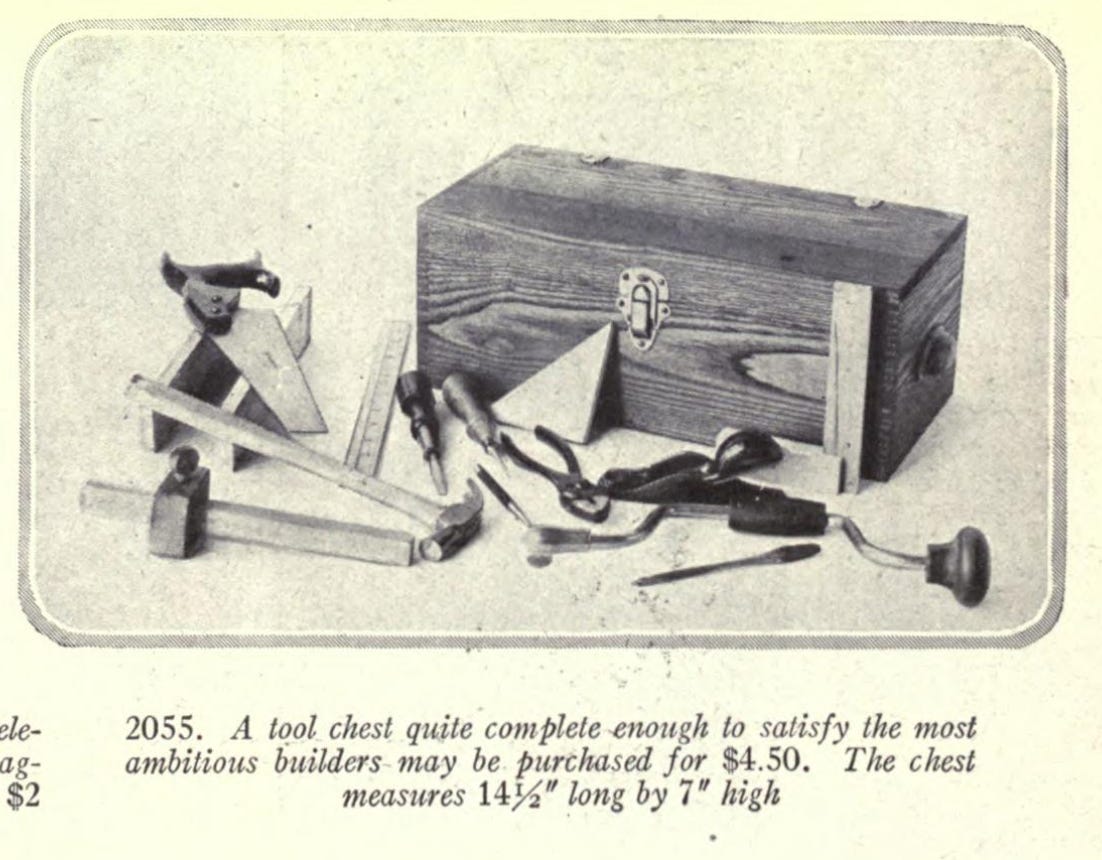
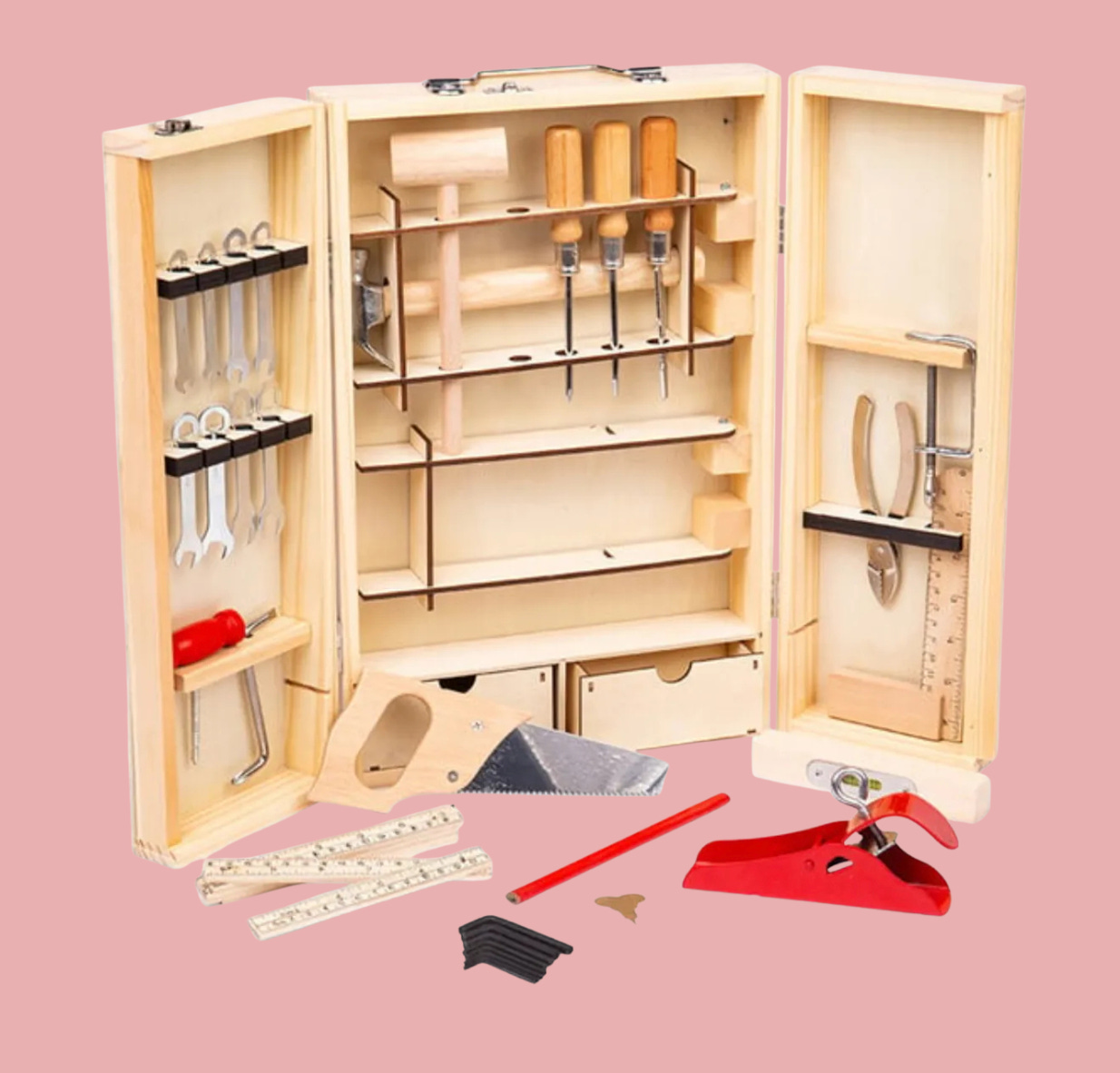
📉 Down 48%.
Small Moving Picture Machine
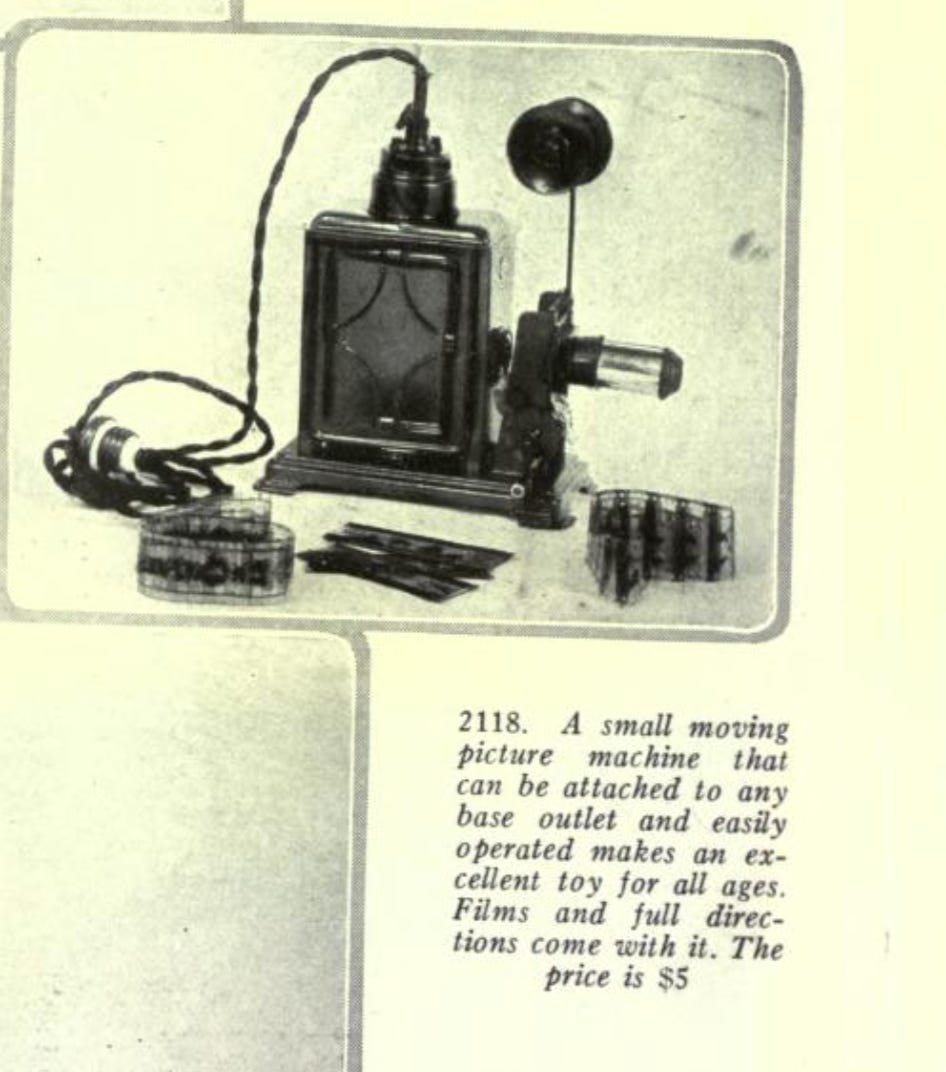
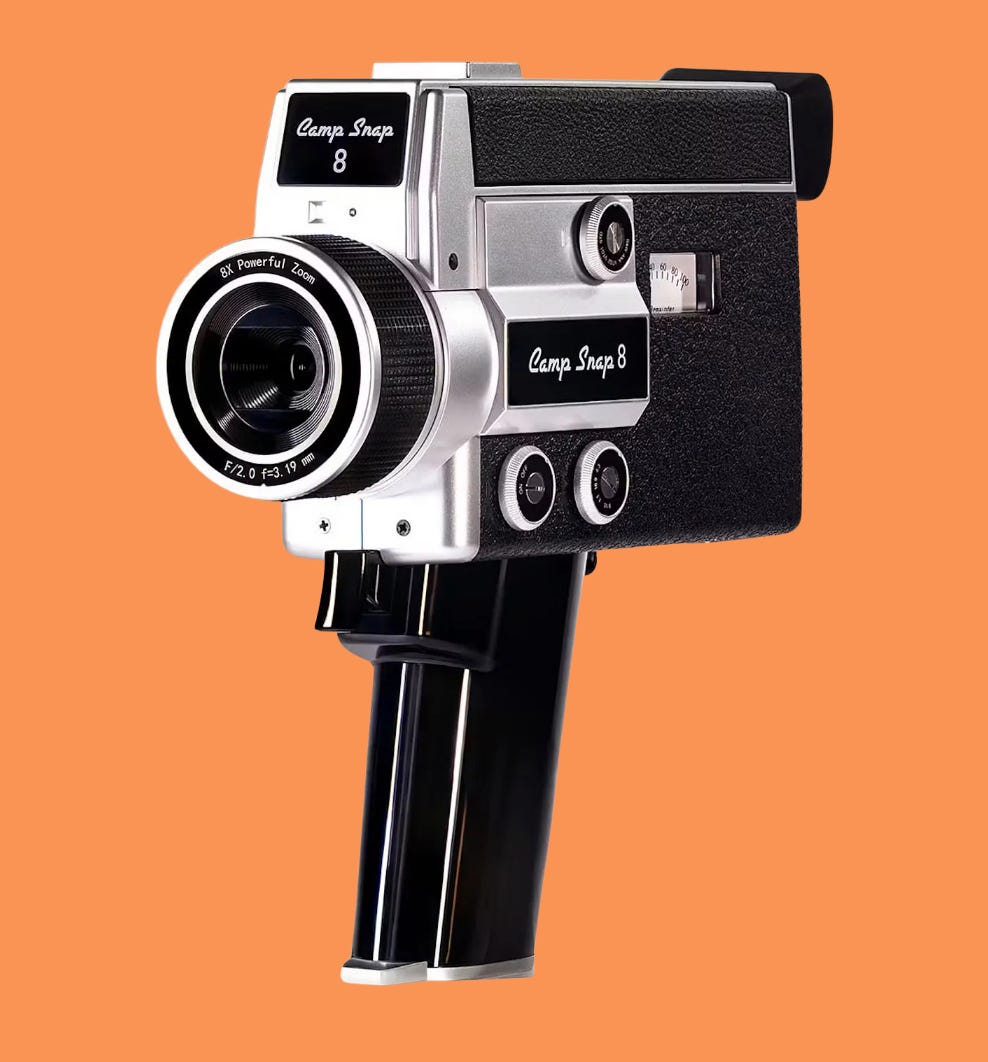
📈 Up 107%. Not exactly apples to apples, but…this is a hot gift this year.
Windsor Rocking Chair
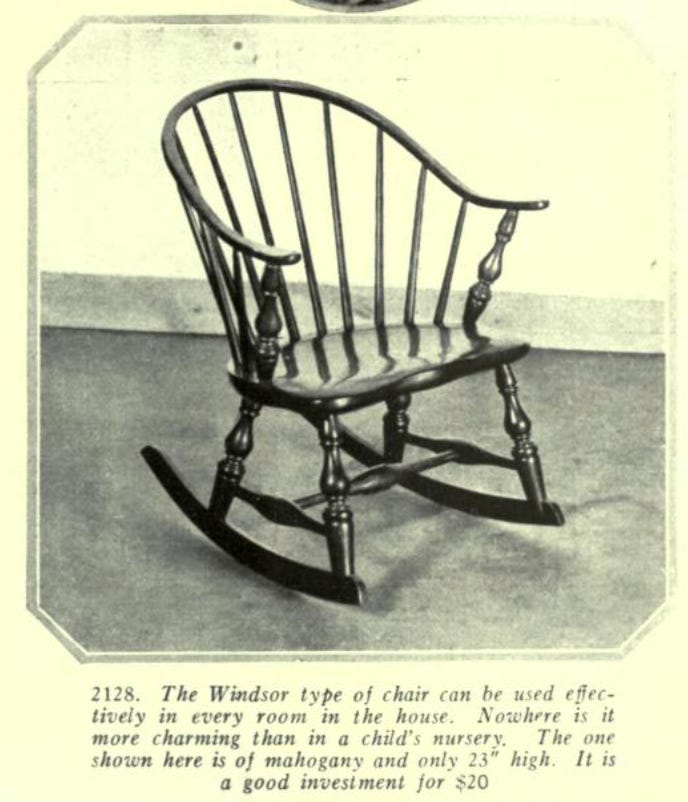
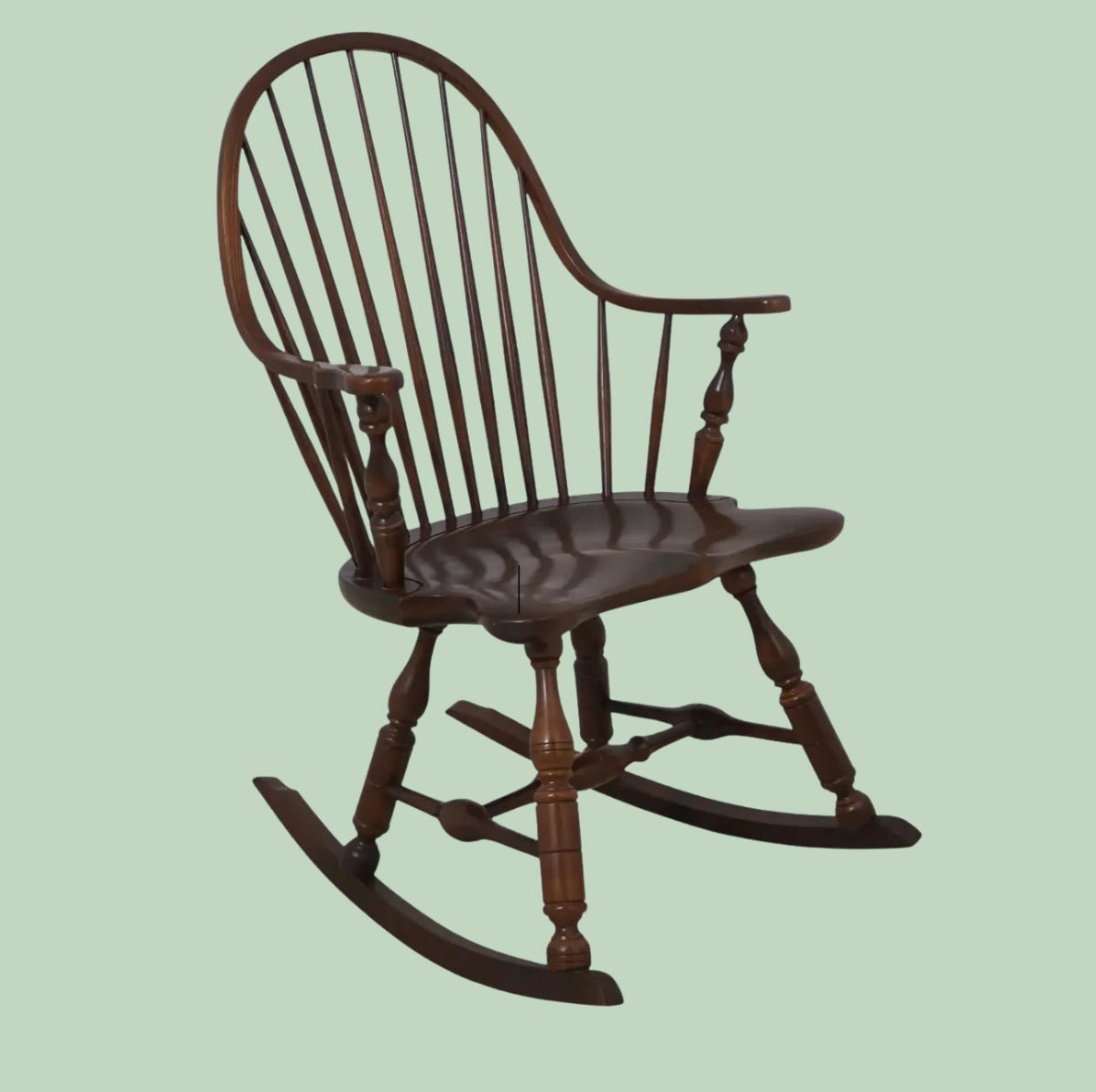
📈 Up 125%.
Clay and Cookie Cut-Out Set
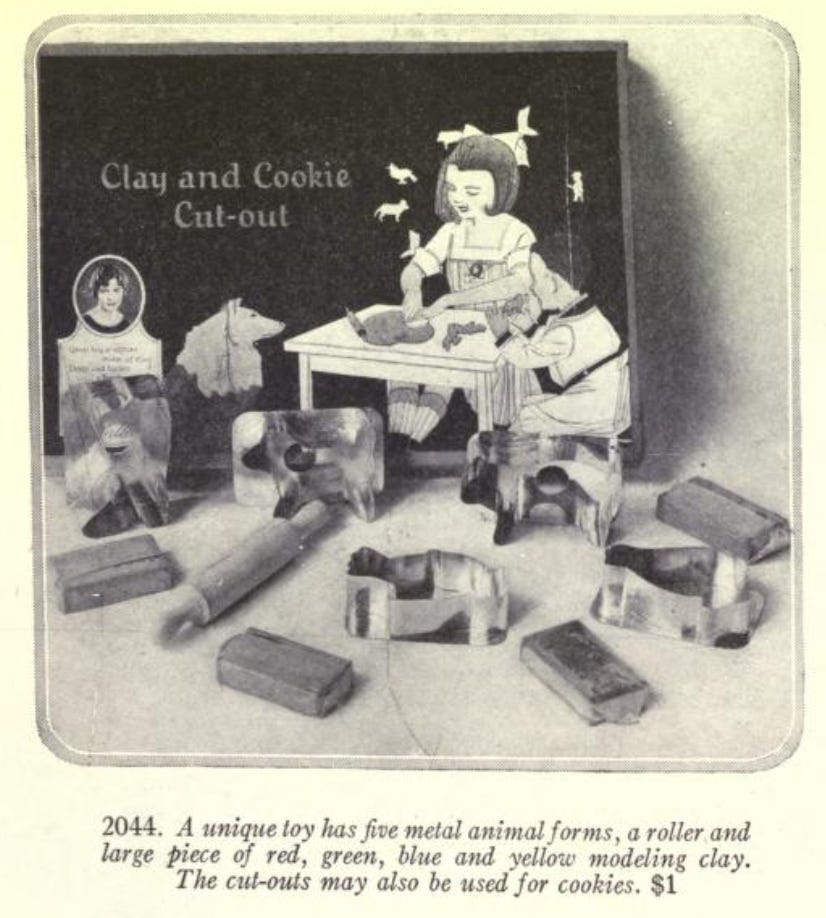
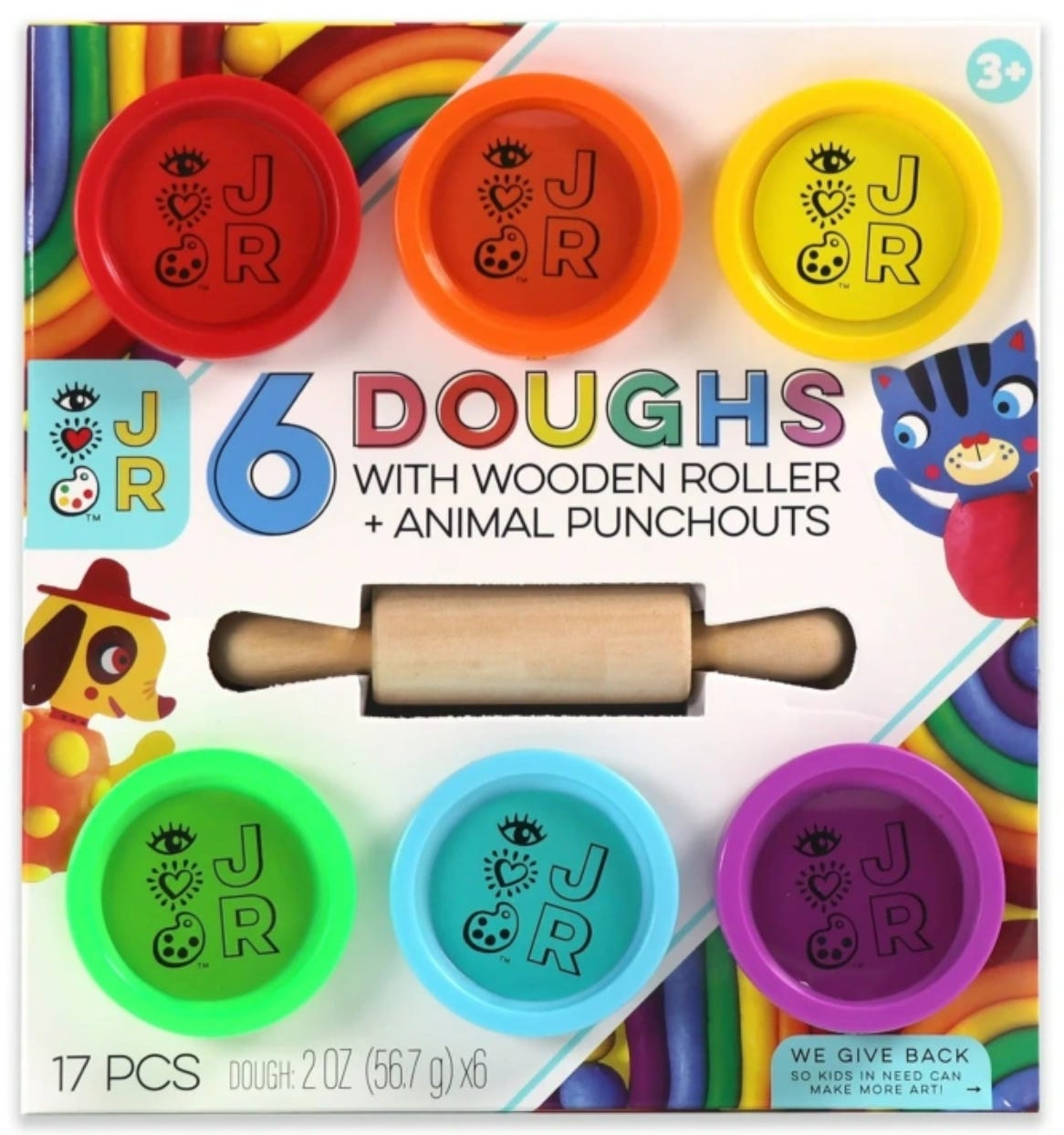
📉 Down 18%.
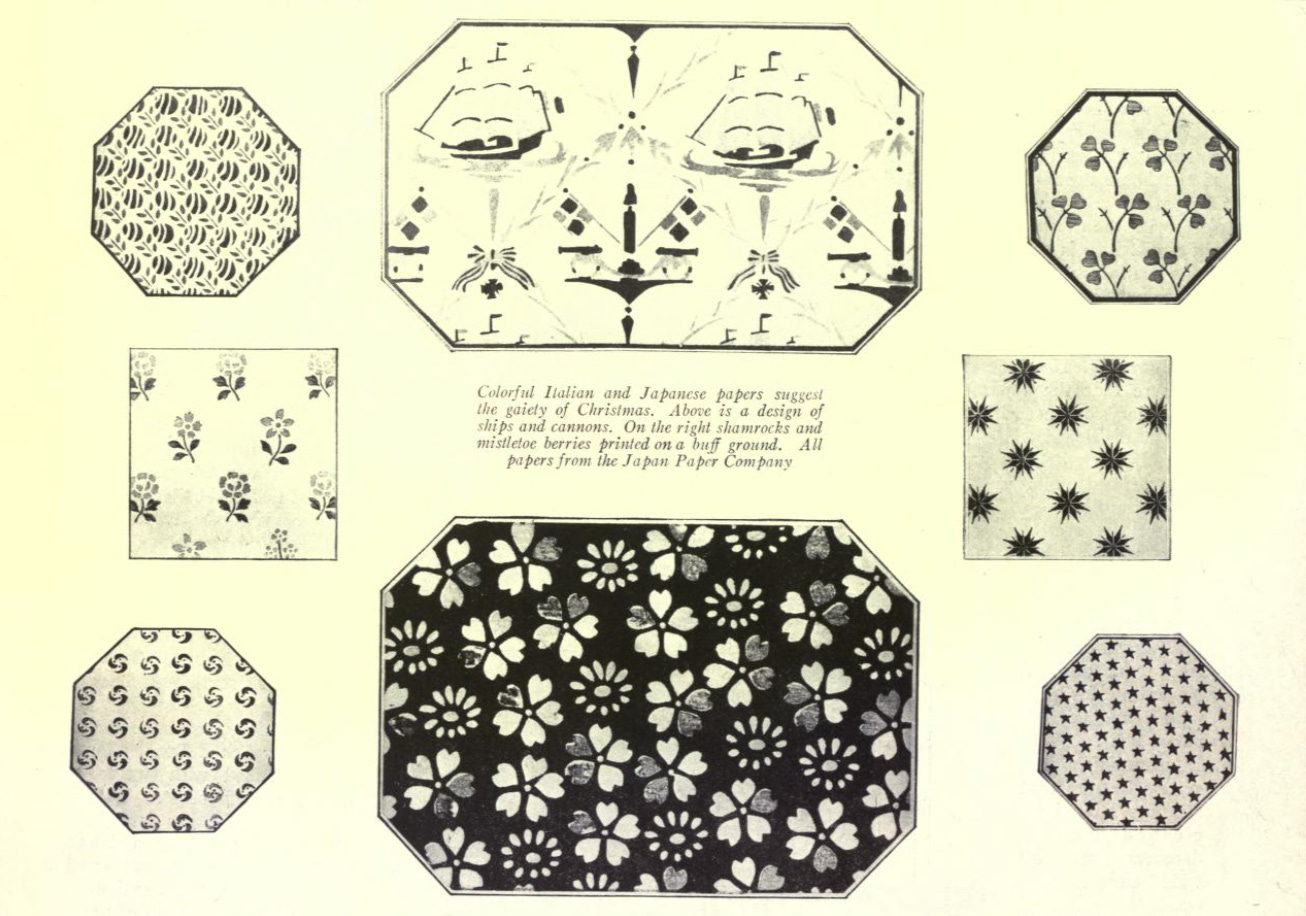
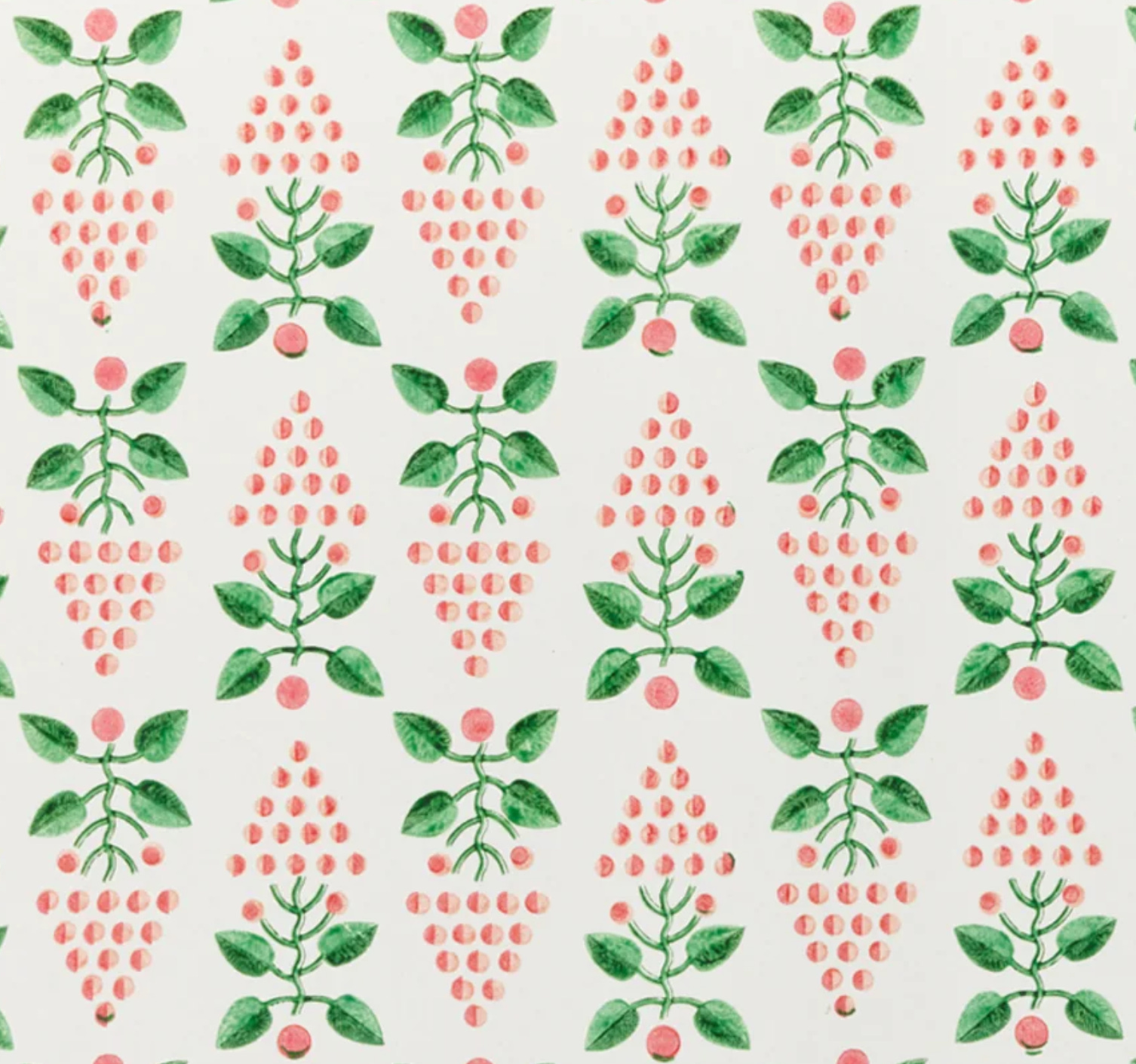
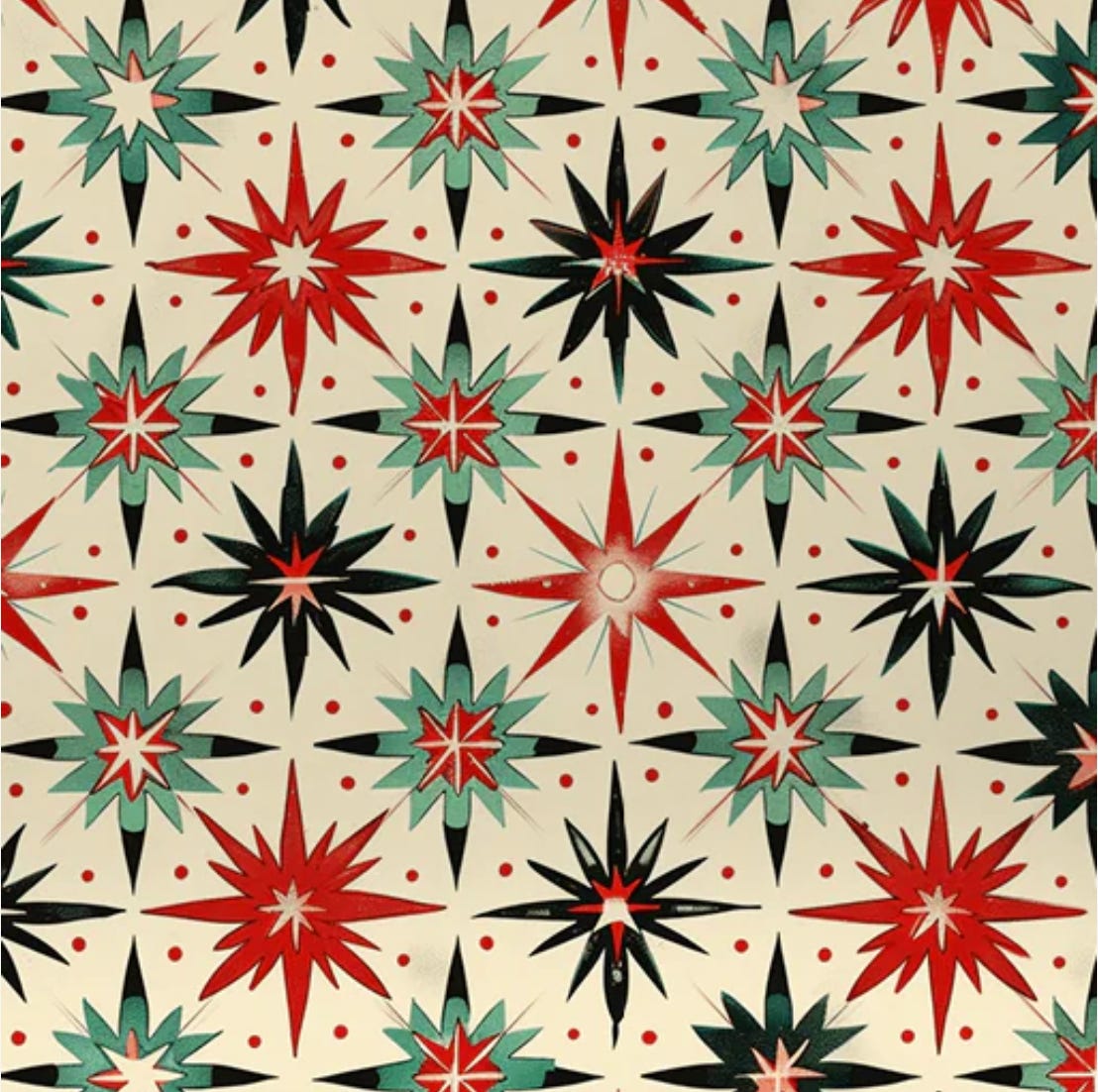
Wrapping Paper
And of course, one must wrap it all up with “colorful Italian and Japanese papers to suggest the gaiety of Christmas.”
Final Thought
Quite eerily, as I was nearly done with this newsletter, I clicked one more link—the December 1920 issue of House & Garden. I opened the editor’s letter and found this:
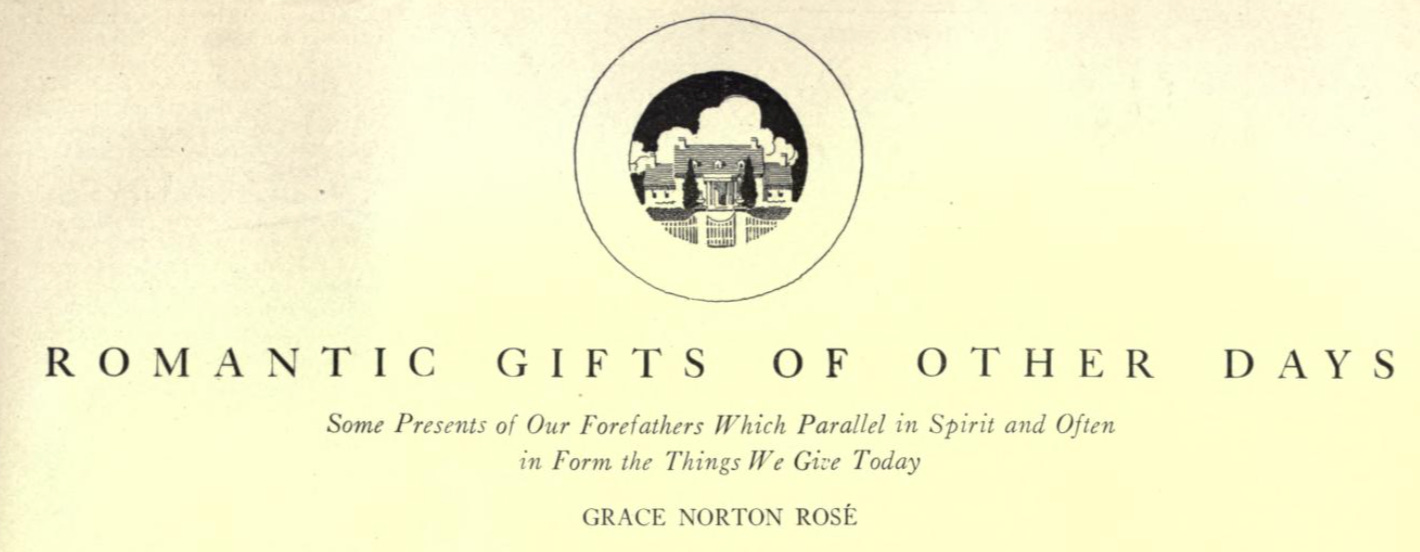
“Does life through the centuries repeat itself with regard to gift-giving as well as other idiosyncrasies of the human race? Are there not distinct parallels to be found today in some of the presents of other times?”
So not only have the gifts themselves barely changed in a hundred years, but the editorial discourse is on repeat too.
It makes you think: Are we all just on a loop? 👀
I’m not an economist or statistician! Please note all math was done using AI and who can be sure if those percentages are accurate? Not me!
These are imperfect comparisons! Prices vary by brand and material; it’s just a fun mood board exercise.
Bought the camp snap - thank you!
🎯 genius level per usual